
Work Conditioning: Rehab That WORKS!
 What is Work Conditioning?
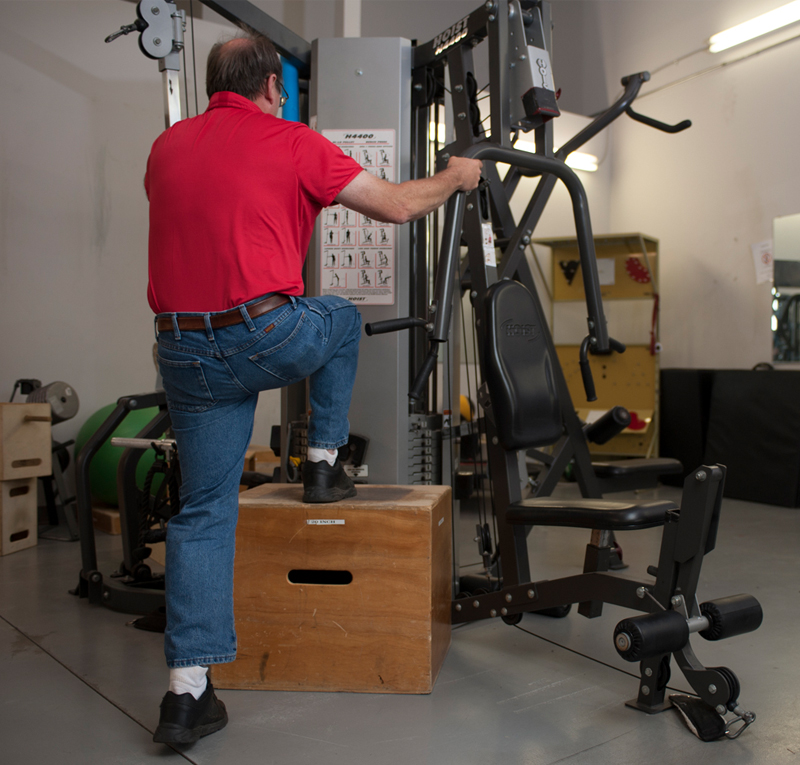
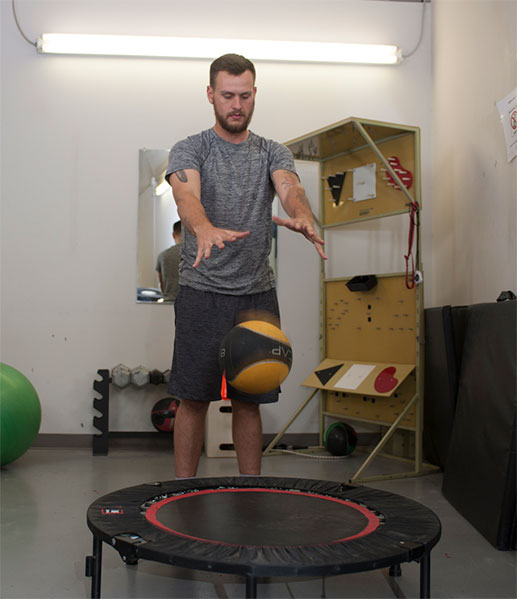
A structured, DAILY program consisting of:
- Physical Conditioning
- Ergonomics Training
- Safe work practice education
- Self-treatment instruction on how to handle inevitable flare-ups at work and prevent re-injury
- An integral step in the physical recovery of the injured worker
- Individualized training based on the worker’s specific job
Work Conditioning is NOT:
- Continuation of Physical or Occupational Therapy
- A two or three day per week program (unless there is a medical reason to limit it)
- Work Hardening (there is a difference!)
Previous studies have indicated that someone who has been out of work for 6 months has only a 50% probability of returning to work. However, recent studies are showing that the same probability can occur as early as 6 weeks lost time.
When to Refer for Work Conditioning:
- Injured worker’s treatment is complete or plateaued, but worker has not been released to return to work
- Injured worker is released to modified duty, but employer does not offer transitional duty
- After an invalid FCE – work conditioning will determine sustainability and allow the worker an opportunity to practice work tasks & gain confidence to return to work.
- After a Fit for Duty exam has indicated a deficit which prevents the employee from returning to full duty work safely.
For more information about how work conditioning can prevent the need for an FCE and promote a successful return to work earlier, contact us: info@jobreadyservices.com or call our office: 919-256-1400.