
Post-Employment Testing
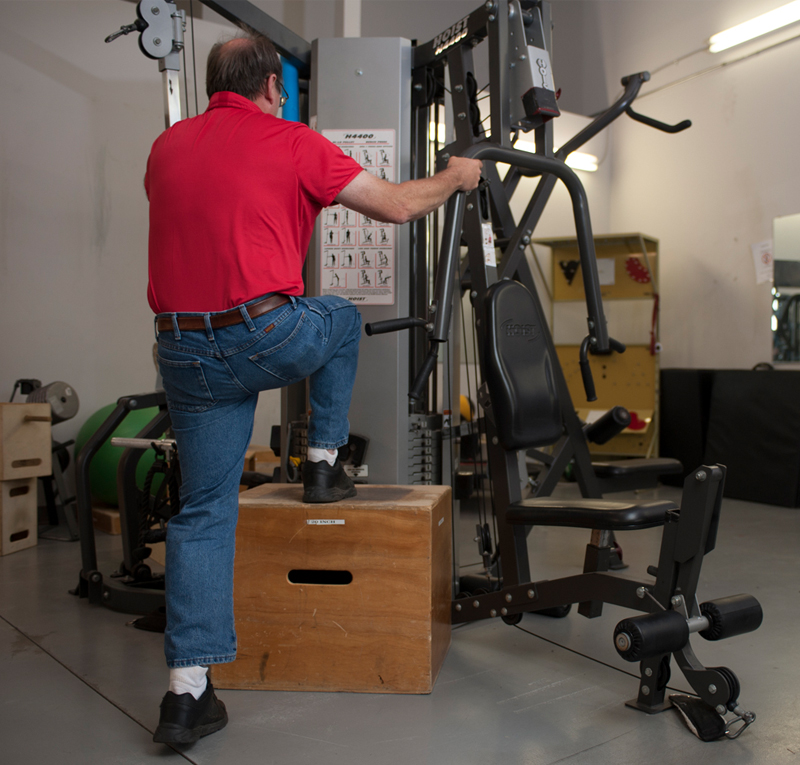
Testing Existing Uninjured Employees – Physical Agility Testing
 PAT (Physical Agility Testing) can be used to ensure existing employees’ continued fitness to perform physically demanding job tasks. This test is typically administered for safety-sensitive positions as part of an annual fitness-for-duty certification or it can also be used as a tool to identify at-risk existing employees.
Triggers to perform PATs identified by the EEOC include:
- Accommodation Requests to determine work-related deficits
- Reliable, objective evidence that an employee is having difficulty performing the essential job functions
- Reasonable belief exists that an employee cannot do their job due to known factors
- Participation in a wellness program identifies an employee with a potential injury risk
The PAT will identify if any work-related deficits exist and will assist the employer to intervene before an injury occurs. This intervention begins with an interactive dialog with the employee, identifying opportunities and benefits available to reduce the deficit, setting of a timeline to re-evaluate any progress, and if not progressing, identifying the next steps for the employer and employee.
Testing Existing Injured Employees – Fit for Duty Testing
For those employers who do post-offer testing, FFD testing compares that initial baseline data to new data collected after injury to allow healthcare providers to establish accurate rehabilitation and return to work goals and prevent unnecessarily lengthy treatment timelines.
FFD (Fit for Duty) tests can be done immediately after an injury as soon as the injured worker is medically stable. These tests are designed to identify the injured worker’s current physical abilities which may indicate a return to full duty or help an employer design a transitional or modified duty program to reduce lost time.
FFD Testing should be used when:
- An employee is returning to work after an absence.
- An employee is returning to work post-injury with a modified duty or full duty medical release.
- Employer policy provides transitional work to focus on Stay at Work rather than Return to Work.
- Evidence is needed to address inconsistent behaviors.
- Medical providers need objective information to compare post-offer to post-injury conditions to provide rehab goals that will reduce work-related deficits and identify when Maximum Functional Improvement is achieved.
For more information on how this testing could work for your organization, contact us at info@jobreadyservices.com or call our office: 919-256-1400.