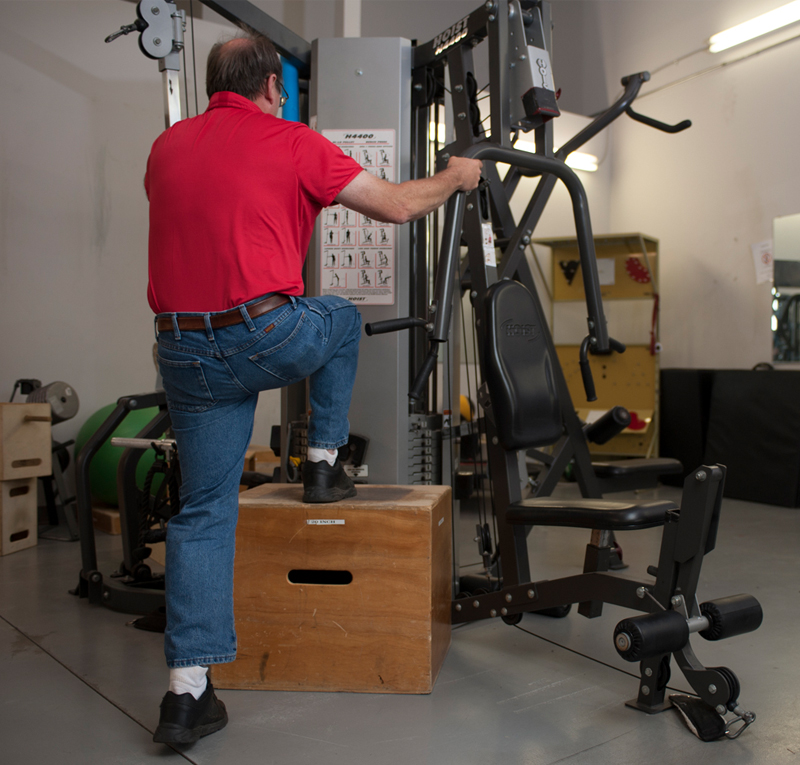



A Functional Capacity Evaluation is a comprehensive test to determine the physical capacities of an individual. Testing includes documentation of consistency of effort as well as recommendations for future work ability.
In a worker's comp case, oftentimes an FCE is not ordered by the physician until the patient is at or near MMI (maximum medical improvement). In many cases, this is too late, as studies show that the longer someone is out of work, the less likely they are to return.
In short – AS SOON AS MEDICALLY STABLE. Many healthcare providers wait until an injured employee has reached MMI before ordering an FCE. However, the opportunity to get the injured worker back into the workplace as early and as safely as possible is missed when this is done. The ideal situation is to test them as soon as the physician states that they are medically stable and able to participate in functional testing. There are several reasons this is recommended:
- Return to transitional (or even full) duty, as early and as safely as possible
- To identify any “red flags” that would impede patient’s progress and recovery early on, instead of when the worker has been out of work too long
- To identify appropriate rehab and treatment goals to promote return to work safely
- When a disability policy requires an FCE on a periodic basis to provide a report of the patient’s capabilities.
- When the physician is unsure of the patient’s abilities and the physical demands of their job.*
*According to the AMA Guide for Evaluation of Functional Ability, “physicians are not formally trained to define a person’s occupational capabilities and therefore are unable to accurately declare a person as totally disabled for working or, conversely, capable of gainful employment.”
Why Job Ready FCE’s are different:
Most FCE’s offer widely-used testing for consistency of effort, but recent research has shown that these tests are only 70% accurate in determining consistency of effort. Job Ready uses a cross-referencing testing program called XRTS. This program is proven to be 99.5% reliable in determining consistency of effort. In a recent Ohio worker’s comp case, an injured worker was asked to pay his medical and wage reimbursement payments back to the insurance carrier, when the XRTS program showed his lack of effort in demonstrating his physical capabilities.
Debra Lord, President of Job Ready has had more than 35 years of experience in Physical Therapy and providing evaluation and treatment services for injured workers. Her vast knowledge and experience in providing FCE’s has made her an expert in this field. She has won the ACE award for FCE’s ten (10) times in the past 11 years.