"Job Ready Services has provided Fitness for Duty analysis for both personal and workers compensation injuries. They take the guess work out of return to work programs." -- Ashley Kiehm - HR Generalist, Pergo LLC 

Ergonomic/Job Analysis

Job Analysis:

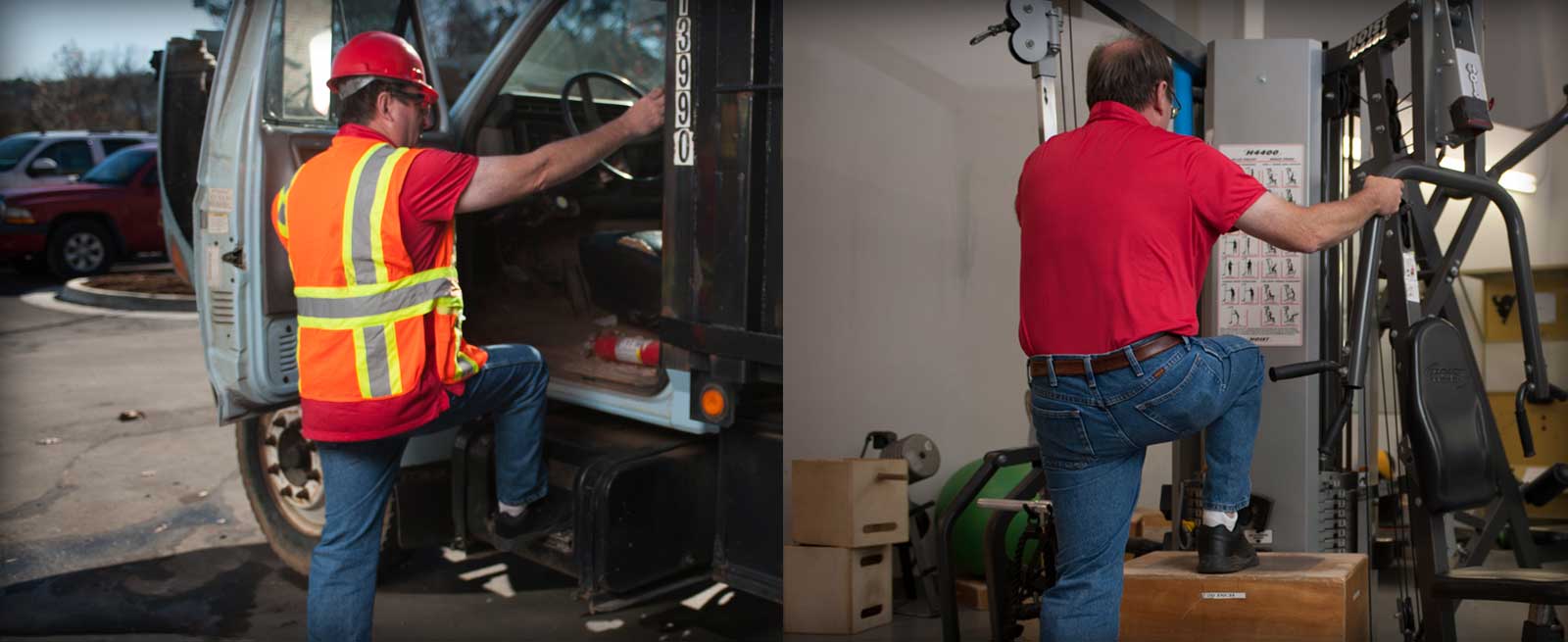
An accurate job description is the foundation for safe return to work and can even prevent injuries.  Job descriptions must contain the physical demands of the essential functions of that job. 

When Do You Need a Job Analysis:

  • Current job description does not include physical demands and/or a functional description of work.
  • Injured worker expresses concerns about parts of the job that they perceive will aggravate their injury upon return to work.
  • Worker has a recurrence of symptoms after returning to work with specific job tasks.
  • Conflict resolution is needed due to differing opinions regarding job requirements between employee and employer.
  • Uncertainties about how physical restrictions will affect job duties.
  • An objective third party observation is needed to assess the essential functions of the job.
  • No “light duty” has been identified in the workplace and employees are expected to be “100%-no restrictions” in order to return to work.
  • An observation of self-made modifications to workstations.
  • An increase in musculoskeletal complaints from employees (e.g., sprains, strains and aches)
  • Work site work hardening is needed for an injured worker or an employee returning from extended leave.
  • 

Ergonomic Assessments:

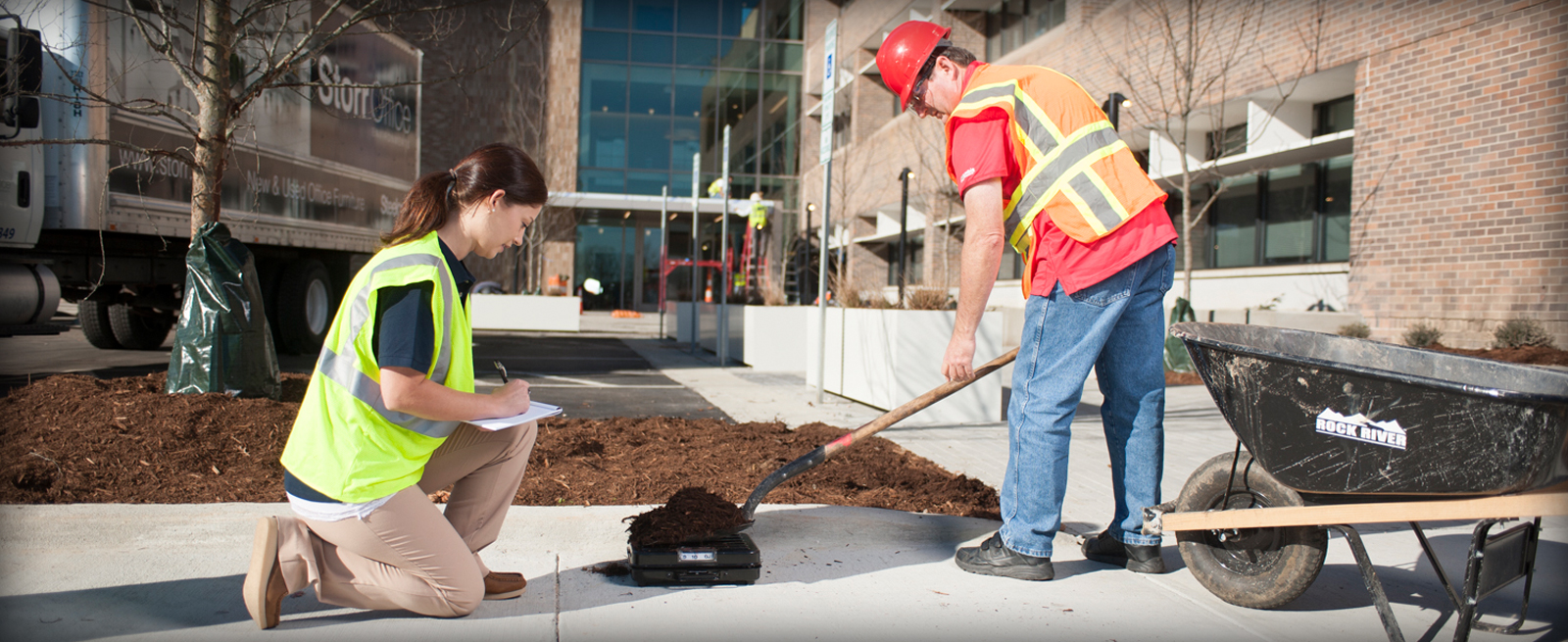
Job Ready has staff that are Certified Ergonomic Assessment Specialists.  An ergonomic risk assessment can identify or quantify problem areas in job tasks that result in risks to injury. 

 When to Request an Ergonomic Assessment:

  • To identify causality for compensable injuries
  • Proactive evaluation prior to injury
  • To prevent or reduce various musculoskeletal hazards at worksite
  • When recommendations are needed including tool redesign, work station alterations, proper lift training, administrative controls i.e. stretching program, job task rotation, job coaching
  • To provide an objective, third-party assessment to identify or quantify injury risks at workstations

Ergonomic risk factors are assessed such as repetition, force/load, awkward, static postures, localized mechanical stress/contact pressure, vibration, environmental factors such as lighting, standing surface, and temperature. 

Are you seeing the following significant risk factors in your worksite?:

  • Employee modifications - padding of equipment, braces/splints, personal chairs, seat cushions, etc.
  • General employee population -  females vs. males, smoking at breaks, yawning, poor physical conditioning
  • Twisting or other rotational forces
  • Aging employees who have declining physical abilities

These factors are an indication that employees are having some problems with their workstation set-up.  Ergonomic equipment and chairs are not necessarily the best answer for everyone – an individualized assessment may be needed or perhaps some training in how to use ergonomic equipment correctly.

The aging workforce is another good reason to take a good look at ergonomics in the workplace in order to prevent injury.  Although older workers are less likely to be injured than younger workers, they take twice as long to recover from an injury.

To learn more about Age & Ergonomics, visit our “Education” page to view our newsletters and/or to schedule an educational presentation for your organization.